Guide to Free Streaming Platforms That Fit
· By VertyTV Editorial
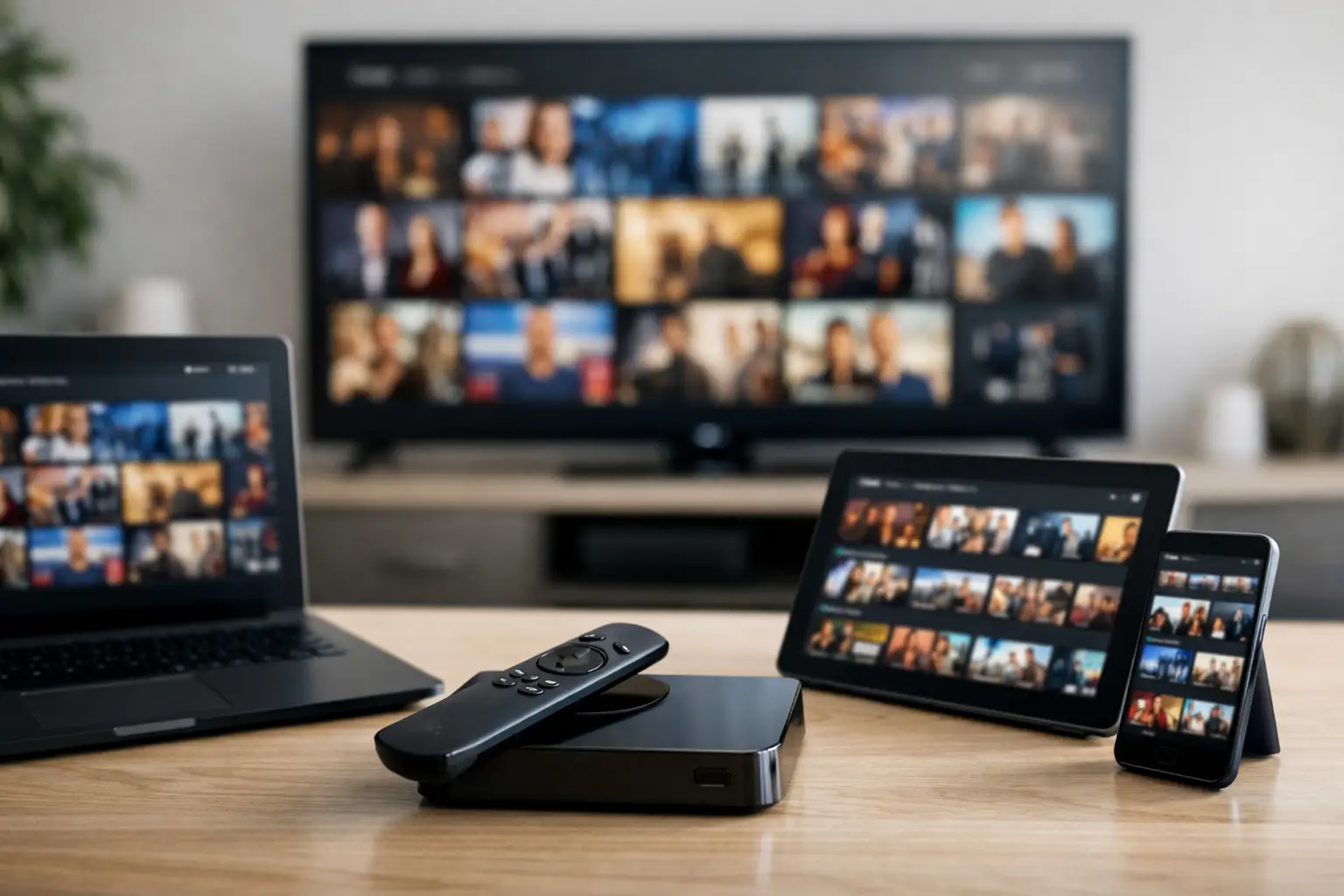
Open any app store and search "free streaming." You get a wall of options, a lot of noise, and one basic question: what’s actually worth your time? This guide to free streaming platforms cuts through that fast. If you want legit entertainment without a subscription, without a credit card, and without wasting twenty minutes hunting for something decent, the real difference is not just what’s free. It’s how each platform fits the way you watch.
Some people still treat streaming like cable with better branding. That’s old thinking. Free streaming now covers everything from live channels and library movies to niche fandom content and short-form vertical shows built for phones. Same price tag - zero. Very different experience.
What a guide to free streaming platforms should actually tell you
Most roundups just dump names into a list and call it useful. That misses the point. The smart way to choose a free streaming platform is to look at four things: content style, ad load, device fit, and friction.
Content style is the first filter. Do you want live channels playing in the background while you cook, or do you want on-demand shows you can start instantly? Are you after old sitcoms, prestige movies, anime, local news, or quick-hit genre entertainment? Free does not mean one-size-fits-all.
Ad load matters too. Every ad-supported platform has a trade-off. Some keep the library deep but run heavy ad breaks. Others stay lighter and more watchable, but the catalog is tighter. There’s no magic trick here. If you’re not paying with cash, you’re paying with attention.
Then there’s device fit. A lot of platforms were built for TV screens first and phones second. That’s fine if you mostly watch from a couch. Not great if you watch in line, on lunch, or between classes. Mobile-first viewers need speed, clean navigation, and formats that don’t feel awkward on a vertical screen.
Finally, friction. If an app asks for too much before you can watch, that’s a problem. Free should feel free. The best options get you from install to play in seconds, not after a mini identity check.
The main types of free streaming platforms
Not all free platforms compete in the same lane. Once you know the lanes, it gets easier to pick the right one.
FAST platforms
FAST means free ad-supported streaming TV. Think live channels, programmed feeds, and the digital version of flipping around until something catches. These platforms work well for passive viewing. You don’t always need to choose. You just press play and let it run.
The upside is ease. The downside is control. If you want one exact episode right now, a live-feed-heavy service can feel slow.
On-demand library platforms
These are closer to traditional streaming. You search, pick, and watch. They usually mix movies, older TV series, and a handful of recognizable titles with a larger catalog of catalog fillers. Good for people who want choice. Less ideal if you hate browsing.
A lot of users love the idea of huge libraries until they actually open them. Too much choice can kill momentum. If you spend more time scrolling than watching, the catalog is not helping you.
Niche platforms
These win by not trying to be everything. Horror, anime, documentaries, indie film, faith-based programming, and other focused categories often do better when they stop chasing the mass market. If you know your taste, niche can beat broad.
The trade-off is obvious. If your mood changes a lot, niche platforms can feel limited fast.
Mobile-native short-form platforms
This is where things get more interesting. A new wave of free streaming is being designed around how people already consume video on phones - quick sessions, instant starts, and formats that don’t fight the screen.
That matters because a two-hour movie and a six-minute vertical episode are not interchangeable products. They solve different entertainment needs. One asks for a night. The other fits a break.
How to pick the right platform for your habits
The best guide to free streaming platforms is really a guide to your own viewing behavior. Be honest about how you watch.
If you mostly put something on in the background, live-channel services make sense. If you plan your watch time and want specific titles, on-demand libraries are the better move. If you care more about discovery and novelty than big-name catalogs, newer niche and mobile-native platforms may fit better than the usual giants.
A lot of younger viewers don’t actually want "more content." They want less friction. They want to open an app, find something good immediately, and keep moving. That’s a different standard than the old streaming promise of endless choice.
This is also where short-form starts winning. For mobile-first users, convenience is not a side feature. It is the feature. A platform can have ten thousand titles, but if everything feels built for a remote instead of a thumb, it’s missing the moment.
What to watch for before you commit your screen time
Free platforms are easy to try, which is great. It also means a lot of them feel disposable. Before you give one your attention, check the basics.
Look at how quickly you can start watching. If sign-up is optional, that’s usually a good sign. Check whether the home screen helps you decide fast or throws too many categories at you. See whether ads are placed in a way that interrupts every few minutes or in a rhythm you can live with.
Also pay attention to freshness. Some services are basically static warehouses of old content. Others feel alive. New drops matter, especially for viewers who burn through short-form or genre content quickly.
Exclusivity matters more than people admit. If a platform only carries the same recycled catalog you can find elsewhere, there’s no real reason to build a habit around it. Exclusive originals give a free service its own identity. Without that, it’s just another tile on your phone.
Why mobile-first free streaming is gaining ground
People still talk about streaming as if the TV is the center of the experience. For a lot of viewers, it isn’t. The phone is the first screen, the default screen, and sometimes the only screen that matters during the day.
That shift changes the rules. Mobile viewers want immediate payoff. Shorter runtimes help. Vertical presentation can help too, when it’s done intentionally instead of as an afterthought. So does content built around momentum - stronger hooks, faster pacing, less dead air.
This is where a platform like VertyTV stands out. It doesn’t pretend to be a giant warehouse of everything. It goes hard in one direction: free, ad-supported, vertical entertainment with exclusive AI originals and no subscription barrier. That kind of focus is useful. It tells viewers exactly what they’re getting.
And that focus reflects a larger trend. Streaming is fragmenting by use case. Some apps are for movie night. Some are for background TV. Some are for fast, on-demand entertainment between everything else. Smart viewers stop judging them by the same metric.
The real trade-offs with free streaming platforms
Let’s keep it real. Free is great. Free is not perfect.
Ads are the obvious cost. Some people are fine with them. Others hate interruption and would rather pay. Neither side is wrong. It depends on your tolerance and how badly you want the content.
Catalog size can also be misleading. Bigger does not always mean better. A focused platform with original programming and a clear point of view can feel more valuable than a bloated app full of forgettable titles.
Then there’s content quality. Free services range from surprisingly strong to aggressively mediocre. The safest assumption is that you’ll need to test a few before deciding which ones earn a permanent spot on your home screen.
Privacy and permissions deserve a quick look too. If an app asks for more data than it needs, skip it. Free entertainment should not come with weird baggage.
A smarter way to build your free streaming stack
You probably do not need one platform. You need two or three that each serve a different mood.
Maybe one app handles passive live viewing. Another covers movies and older TV. A third is for short-form mobile entertainment when you want something fast and weird in the best way. That mix usually works better than expecting a single service to do everything well.
The key is not to chase the biggest catalog. Chase the clearest fit. If a platform matches your screen, your schedule, and your attention span, you’ll actually use it. If not, it becomes digital clutter.
Free streaming is better now because it’s less about imitation and more about specialization. Some services still try to mimic paid giants on a budget. The better ones know exactly what they are and who they’re for.
That’s the lens to use. Not just what’s free, but what feels built for you. Pick the platforms that waste less of your time, ask less from your wallet, and make it easier to hit play when you want entertainment now.