Free Ad Supported Streaming TV FAST Services
· By VertyTV Editorial
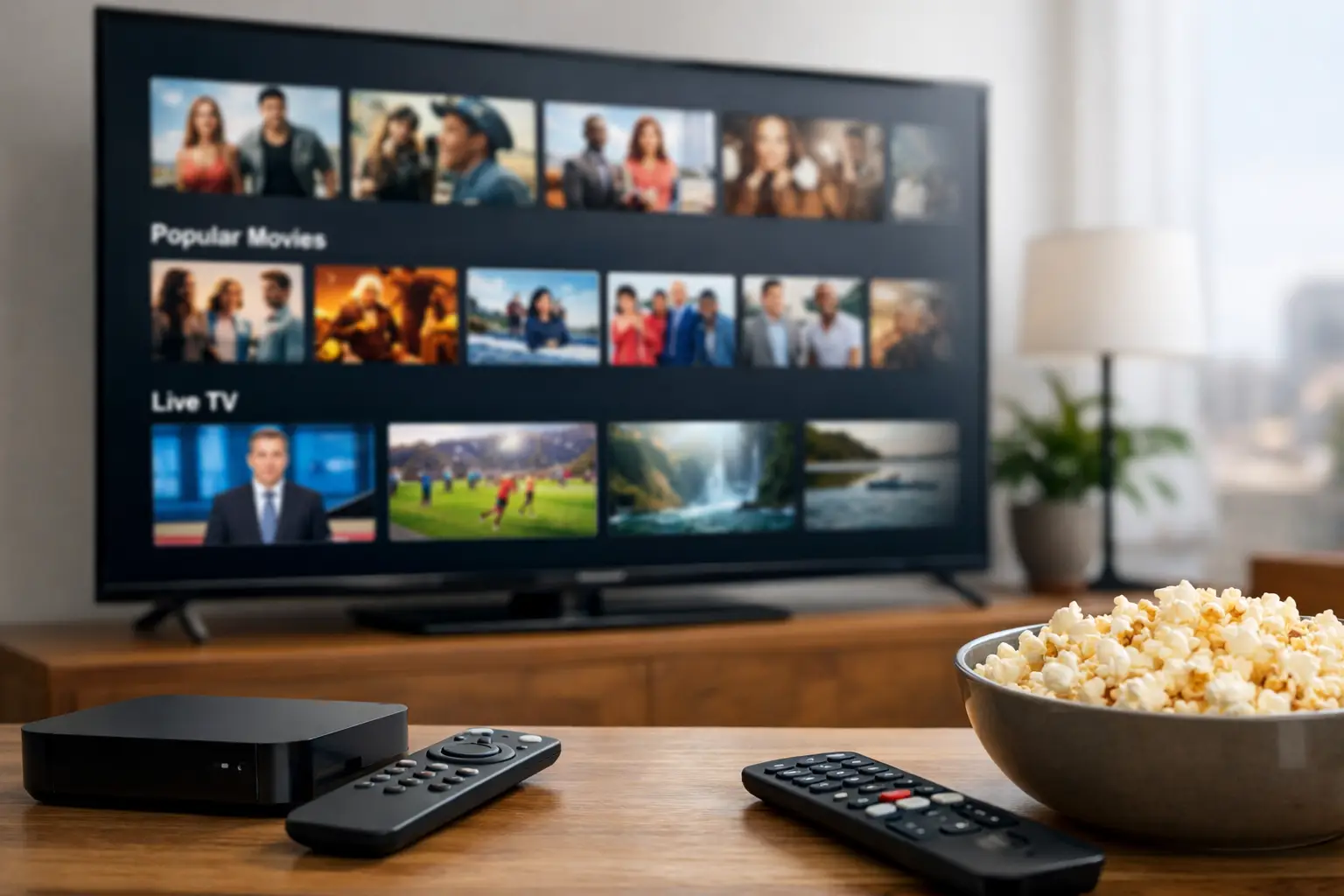
You can tell a platform is built for right now when it asks for nothing upfront. No subscription. No credit card. No 14-day trial countdown hanging over your head. That is the real appeal behind free ad supported streaming tv fast services - instant entertainment with almost zero friction.
For a lot of viewers, that trade makes perfect sense. Watch a few ads, skip the monthly bill, and start streaming in seconds. Simple. But FAST is bigger than "free TV with commercials." It is changing how people discover shows, how platforms package content, and what audiences expect from streaming on phones, tablets, and connected TVs.
What free ad supported streaming TV FAST services actually are
FAST stands for free ad-supported streaming television. The model is exactly what it sounds like. You get programming without paying a subscription fee, and the platform makes money from advertising instead.
That can look like live-style channels that run continuously, on-demand libraries, or a mix of both. Some services feel like internet cable. Others feel more like modern streaming apps with curated rails, genre hubs, and autoplay recommendations. The common thread is access first, payment never.
That matters because subscription fatigue is real. People liked cutting the cord. They did not like replacing one cable bill with five smaller streaming bills that somehow added up to the same pain. FAST services stepped into that gap with a cleaner pitch: show up, press play, and accept ads as the price of entry.
Why free ad supported streaming TV FAST services keep gaining ground
The rise of FAST is not just about saving money, although that helps. It is also about speed. Paid services often come with a decision tree - pick a plan, create an account, verify an email, add payment info, maybe pick add-ons. FAST removes that drag.
For mobile-native viewers, that difference is huge. If your entertainment habit looks more like quick sessions than planned movie nights, the best platform is usually the one with the fewest steps. Friction kills curiosity. Free keeps it moving.
There is also a discovery advantage. Traditional subscription streaming tends to push prestige, depth, and long-session viewing. FAST platforms are often better at casual discovery. You sample a channel. You test a title. You leave and come back later. The commitment level is low, so the willingness to experiment is higher.
That opens the door for more niche programming, genre-heavy content, and unusual formats. Not every viewer wants a two-hour commitment after work. Sometimes they want ten minutes of chaos, sci-fi, comedy, horror, or pure scroll-stopping weirdness. That is where newer streaming models can hit harder.
FAST services are not all built the same
This is where people get lazy with the category. They treat all FAST platforms like they are interchangeable. They are not.
Some are giant aggregators built around scale. Their value is breadth. You get lots of channels, lots of licensed content, and a familiar lean-back experience. That works well if you want something always on in the background or a broad mix of old favorites.
Others are more focused. They are not trying to recreate cable with a streaming wrapper. They are trying to match how people actually watch now. Shorter sessions. More phone viewing. Faster decisions. Stronger niche identity. In those cases, the content format matters as much as the price.
That is why vertical-first streaming stands out. A platform like VertyTV is not just taking the FAST model and copying television. It is applying the same free, ad-supported logic to mobile-native entertainment. Short-form vertical shows, exclusive AI originals, no paywall, no card. Different behavior. Different design. Better fit for viewers who live on their phones.
The real trade-off: free access vs ad load
Nothing is free in media. If you are not paying with money, you are usually paying with time and attention. That is the deal with FAST.
Sometimes it is a good deal. A short ad break is a lot easier to swallow than another monthly charge. Sometimes it is not. If ad frequency gets aggressive, viewers feel it immediately. The best FAST services understand this and keep the value equation obvious. If the content is good, the interface is clean, and the ads do not wreck the experience, people stay.
But tolerance depends on context. Someone casually watching free content on a lunch break may barely care about ads. Someone trying to binge a drama for three hours will care a lot more. That is why content format and session length matter. Short-form streaming can make ad-supported viewing feel lighter because the experience is already built around fast engagement.
Why mobile is pushing the next version of FAST
A lot of FAST conversation still sounds TV-first. Big screen. Channel grid. Lean-back viewing. That is only half the story now.
Phones have trained viewers to expect instant entertainment in vertical formats, shorter runtimes, and less setup. Social platforms did not just change attention spans. They changed product expectations. People want content that starts fast, fits the screen they are holding, and does not ask for a subscription decision before the first watch.
That creates a natural lane for new kinds of free ad supported streaming TV FAST services. Not just digital cable clones, but services built around mobile habits from day one. Vertical video is part of that shift. So is exclusive programming that feels made for quick consumption rather than chopped down from traditional TV.
This is also where AI-generated originals can become more than a gimmick. If the programming is distinctive, fast-moving, and built for mobile-native genres, it gives viewers a reason to choose one free service over another. In a crowded market, being free is not enough. Free gets the click. Exclusive gets the return visit.
What viewers should look for in a FAST platform
The first question is simple: what kind of watching are you trying to do? If you want comfort-viewing and broad channel surfing, a large library matters more than originality. If you want quick-hit entertainment between tasks, speed and format matter more.
Then look at friction. Do you need an account? Does the app load fast? Can you start watching immediately? Free access loses a lot of its magic if the platform still feels like paperwork.
Content identity matters too. Generic libraries blur together fast. The services that stand out usually have a clear point of view, whether that is live news, cult movies, reality reruns, anime, or exclusive short-form originals.
And yes, ad experience counts. Viewers will tolerate ads. They will not tolerate bad ad timing, repetitive creative, or a clunky player. The difference between acceptable and annoying is usually product discipline.
What advertisers like about FAST
FAST works because it solves two problems at once. Viewers want free. Advertisers want attention that is measurable, scalable, and attached to actual viewing behavior.
Compared with old-school television, FAST can offer tighter targeting and cleaner performance signals. Compared with social platforms, it can offer a more controlled viewing environment and stronger content adjacency. That makes it attractive for brands that want streaming reach without betting everything on subscription platforms or user-generated feeds.
Still, it depends on the service. Broad FAST platforms offer scale. Niche platforms offer sharper audience alignment. If your audience is young, mobile-first, and tuned into short-form entertainment, a vertical-first ad-supported service may be more relevant than a giant generalist app.
Where FAST goes next
The next phase is not just more channels. It is better fit.
Some FAST services will keep chasing volume, adding libraries and recreating familiar TV structures. Others will sharpen around behavior, building for micro-sessions, mobile viewing, and exclusive formats that feel native to how people already consume video.
That split matters. The old streaming playbook was built around maximizing time spent inside a paid ecosystem. The newer FAST playbook is often about removing barriers and winning repeat attention through convenience, identity, and habit. Different economics. Different product choices. Different creative opportunities.
For viewers, that is good news. More free options. More experimentation. More ways to watch without getting trapped in another billing cycle. For platforms, the pressure is higher. Free gets you sampled. It does not guarantee loyalty.
The winners in free ad supported streaming TV FAST services will be the ones that understand a basic truth: people do not just want free content. They want free content that fits their life. Fast to start. Easy to watch. Worth coming back for.
That is the bar now. If a streaming service can clear it, ads stop feeling like a compromise and start looking like a fair trade.