Why AI Generated Original Series Work
· By VertyTV Editorial
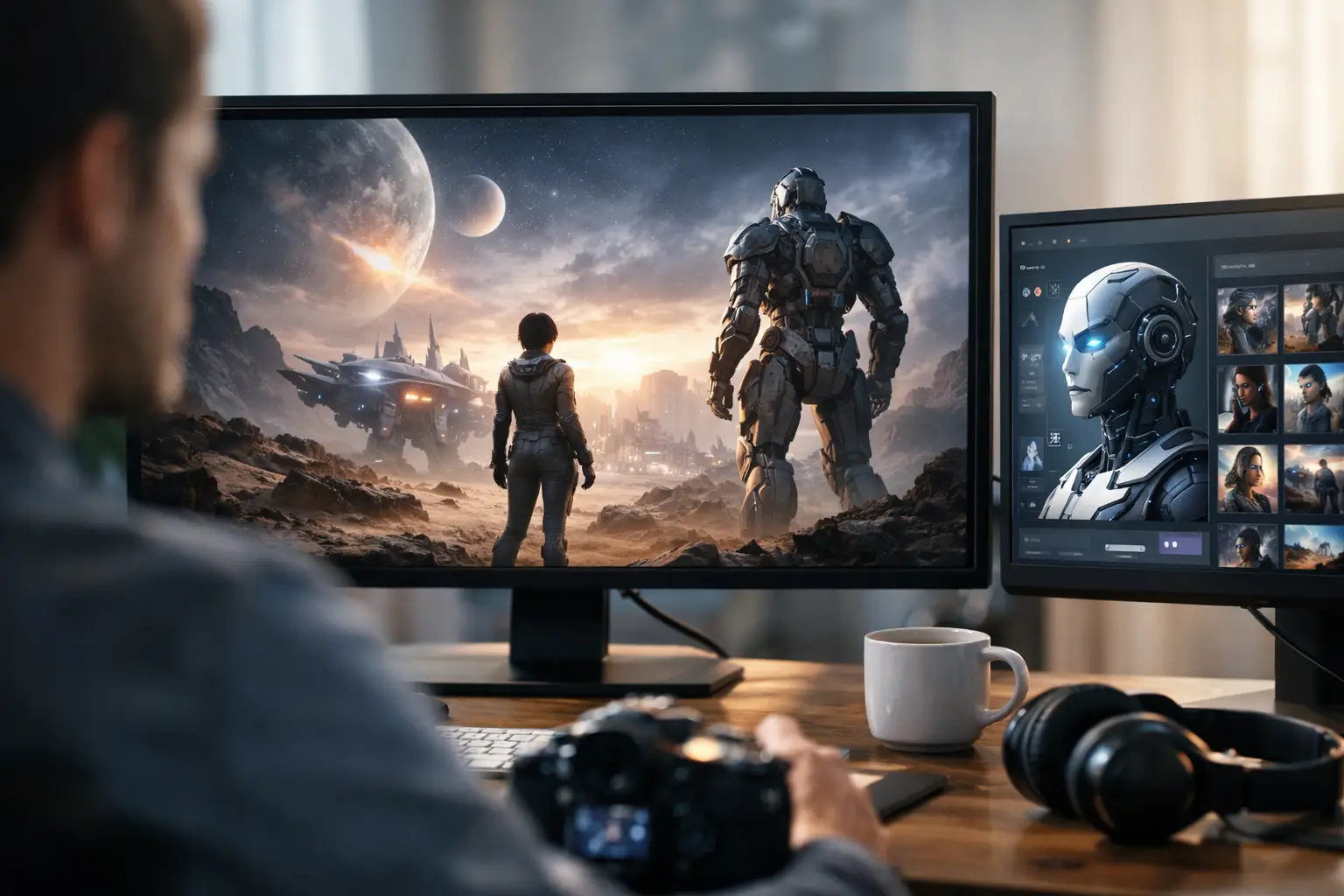
Most streaming shows still assume you have time, patience, and a couch. That model is getting old fast. AI generated original series are built for a different reality - phones first, attention split, curiosity high, commitment low. That shift matters because viewers are not just asking what to watch anymore. They are asking how fast it gets interesting.
This is where the format gets serious. Not gimmicky. Serious. AI-generated series can move faster from concept to screen, test stranger ideas, and create visual worlds that would normally die in a pitch meeting or get buried under budget notes. For audiences raised on swipe-speed entertainment, that changes the game.
What AI generated original series actually change
The obvious headline is speed. AI tools can compress parts of development and production that used to drag for months. Concept art, previs, stylized environments, character iteration, and some editing workflows can all move faster. That does not mean pressing a button and getting a great show. It means creators can get to the interesting part sooner.
That difference matters more than people admit. Traditional development often rewards safe bets because safe bets protect time and money. AI generated original series lower some of that pressure. When the cost of experimenting drops, more unusual genre mashups make it through. More weird sci-fi. More horror with personality. More stories that look unlike everything else in the feed.
For viewers, the result is simple. More originality can survive the process.
There is also a format shift hiding inside the tech story. A lot of AI-native content is not trying to imitate prestige TV. It is not chasing the same pacing, framing, or episode length. That opens the door to short-form series built for mobile screens and quick sessions. Not lesser content. Just content built for how people actually watch now.
The real appeal is not just efficiency
People talk about AI like the whole value prop is cost cutting. That is too narrow. Viewers do not care about production savings unless those savings show up on screen as something sharper, stranger, or easier to access. The real win is creative flexibility.
An AI generated original series can build a futuristic city, a monstrous alternate timeline, or a pulp-action world without needing every frame to pass through the same old production bottlenecks. That does not remove the need for taste. It raises the value of taste. When more is possible, creative direction matters more, not less.
That is the trade-off people miss. AI expands the menu, but it does not choose the meal. If the storytelling is weak, if the pacing drags, if the concept is all surface and no hook, the audience will bounce just as fast as they always have. Maybe faster.
So the standard is not lower. It is harsher. More options mean less patience.
Why short-form is a natural fit
Short-form entertainment has often been treated like a side format. Something between social clips and "real" shows. That line is fading. Mobile-native viewers already know that a five-minute episode can hit harder than a forty-minute one if the premise is clean and the energy is right.
AI generated original series fit this behavior well because they can support high-concept storytelling without demanding long runtimes. A world can be bold, visual, and immediate. A cliffhanger can land fast. A genre idea can make its case before the viewer gets bored.
This is especially true in vertical video. The screen is tighter. The storytelling has to be cleaner. Framing, motion, and visual impact all need to work without the luxury of cinematic sprawl. That pressure can actually improve the experience. Less dead air. Less filler. More momentum.
A platform like VertyTV leans directly into that shift with exclusive vertical-first programming built for on-demand phone viewing. That is not just a packaging decision. It is a content decision. The stories are meeting the screen where it lives.
AI generated original series still need a human point of view
This is where the hype gets sloppy. AI can assist with ideation, visuals, and workflows. It cannot replace the thing that makes a series worth remembering: point of view.
Every strong series has intent. It knows its mood. It knows its audience. It knows when to hold back and when to go loud. That kind of judgment does not come from automation alone. It comes from creators making choices.
The best AI generated original series feel authored. They feel like somebody had a sharp idea and used new tools to push it further, faster, or cheaper. The weakest ones feel assembled. You can tell the difference almost immediately.
That is why the conversation should move beyond "AI vs humans." The better question is whether the creative team is using AI to produce something distinctive or just to flood the zone with content. One builds fandom. The other builds scroll fatigue.
What viewers gain when it works
When this model works, the upside is bigger than novelty. First, audiences get access to concepts that would have been too risky or too niche for traditional development pipelines. Second, they get faster release cycles, which matters in a culture shaped by constant discovery. Third, they get entertainment that feels built for actual behavior instead of inherited TV habits.
There is also a lower-friction business advantage. AI-generated series are a natural fit for free, ad-supported platforms because the economics can support more experimentation without forcing every title to behave like a massive subscriber acquisition event. That gives viewers something they rarely get from premium streaming: a chance to sample freely.
No subscription decision. No credit card checkpoint. Just watch and decide if it hits.
That may sound like a small thing, but it changes audience psychology. People are more willing to try an unfamiliar title, a stranger premise, or a new format when the barrier is basically gone. For original programming, that matters. Discovery gets easier when risk feels low.
The risks are real
None of this means every AI series is good. Some look unfinished. Some rely too heavily on visual novelty. Some mistake generative style for actual storytelling. And some run straight into audience skepticism because viewers can sense when the tech is the headline and the show itself is an afterthought.
There are also bigger industry questions around ethics, sourcing, creative labor, and standards. Those are not side issues. They shape trust. If a platform or studio wants long-term credibility in AI entertainment, it has to take that seriously.
From the audience side, the key test is simpler. Is the show worth watching after the initial curiosity wears off? That is the line every series has to clear. Free helps. Fast helps. Original helps. But none of those save a boring episode.
Where the category is headed
Expect the next wave of AI generated original series to get more confident, not just more common. The early novelty phase is fading. What comes next is sharper brand identity, stronger genre programming, and better understanding of what works in mobile-native episodic storytelling.
That means more specificity. More series designed for horror fans, sci-fi fans, action fans, and people who want fast stories with actual style. It also means the winners will not be the platforms with the most content. They will be the ones with the clearest taste.
That is the real opportunity here. Not infinite content. Curated originality. Shows that know exactly what they are and exactly who they are for.
For viewers, that is good news. It means the category can mature without turning bland. It means AI can support entertainment that feels more daring, not more generic. And it means short-form, vertical-first storytelling can stop being treated like a compromise and start being recognized for what it is: a format with its own strengths, its own rhythm, and its own kind of bingeability.
The best AI generated original series are not trying to copy the old streaming playbook. They are writing a faster one. If they keep the ideas sharp and the experience frictionless, audiences will keep showing up for the next episode.