Vertical Streaming Is Built for Now
· By VertyTV Editorial
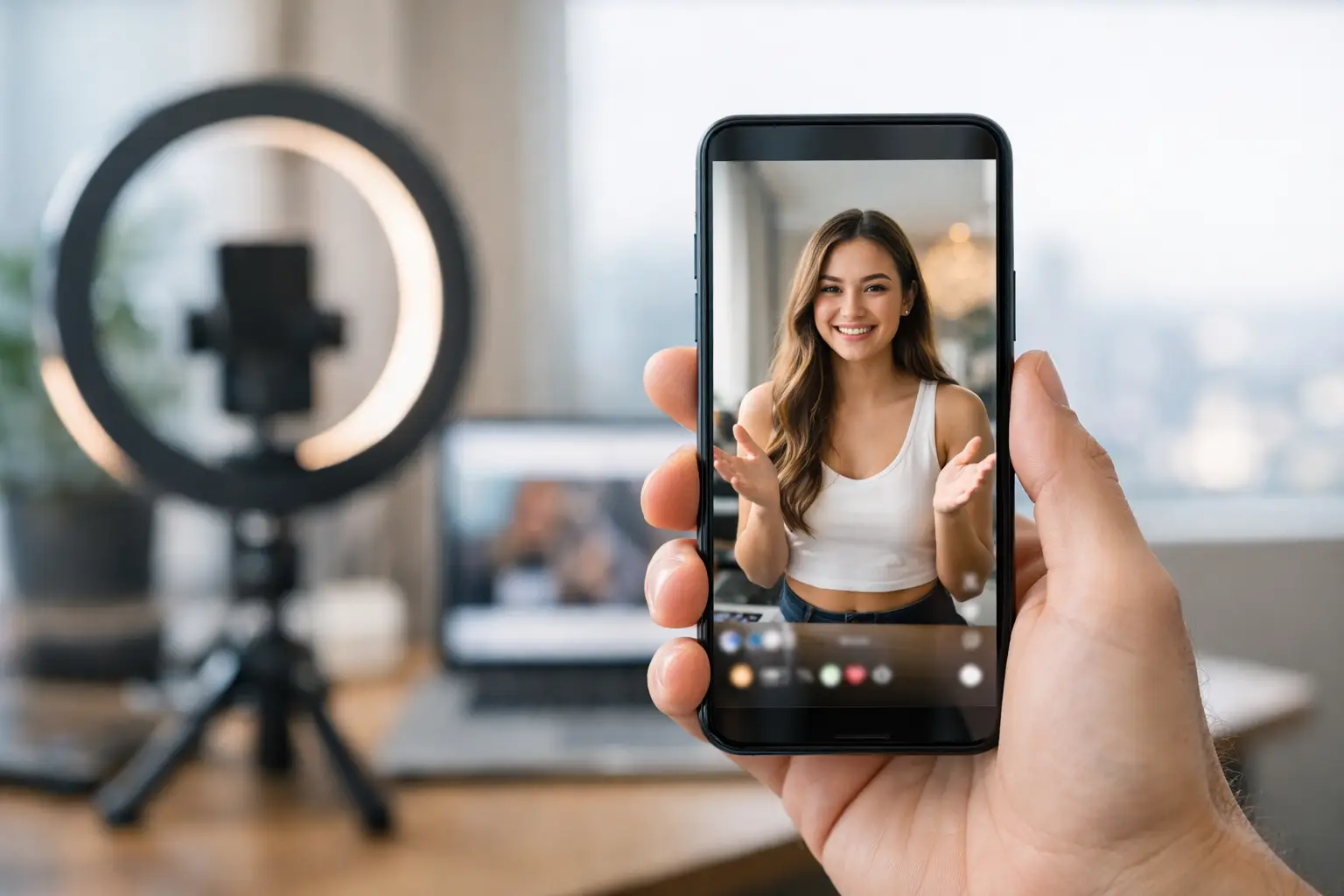
Open your phone on a train, in line for coffee, or between classes and one thing is obvious: vertical streaming fits the moment better than old-school viewing habits do. People already hold their phones upright. They want instant play, short runtimes, and zero setup. Not later. Now.
That shift matters because it changes more than screen orientation. It changes pacing, story structure, ad tolerance, and what viewers expect from entertainment. Vertical video stopped being a side format a while ago. Now it is becoming a real streaming lane of its own.
What vertical streaming actually means
Vertical streaming is on-demand video entertainment designed to be watched upright, usually on a smartphone, without asking the viewer to rotate the screen or commit to a long session. The best version is not a clipped-down remake of horizontal TV. It is built for the device, the context, and the attention span.
That distinction is everything. A movie trailer reposted in vertical format is still marketing. A social clip chopped into episodes can feel disposable. But a platform built around vertical-first programming plays by a different set of rules. Framing is tighter. Scenes move faster. Hooks hit earlier. Every second has to earn its place.
For mobile-native viewers, that is not a downgrade. It is the point. You are not trying to recreate the living room on a six-inch screen. You are building a format that feels right where people already watch.
Why vertical streaming works so well on mobile
Most people do not start a viewing session by setting aside two uninterrupted hours. They steal entertainment in bursts. Five minutes here. Eight there. Maybe twenty if the scroll has gone cold and something better shows up. Vertical streaming fits that rhythm because it removes friction at every stage.
There is no awkward phone rotation. No tiny widescreen image boxed into dead space. No sense that the content was made for another device first and your phone second. It feels direct because it is direct.
There is also a psychological advantage. Vertical fills the screen in a way that feels personal and immediate. Faces land closer. Reactions read stronger. Horror can feel more claustrophobic. Comedy can feel more intimate. Action can feel sharper if it is choreographed for tight framing instead of wide cinematic shots.
That does not mean vertical beats horizontal in every case. Big sports broadcasts, landscape-heavy travel, and spectacle-first filmmaking often benefit from width. But for short-form fiction, punchy genre series, character-driven hooks, and fast entertainment, vertical has real creative upside.
Vertical streaming is not just social video
A lot of people still hear the phrase and think of random clips, creator posts, or endless scrolling. That is too narrow. Social video trained the audience. It did not finish the job.
Streaming introduces structure. Viewers can choose a title, start an episode, return to a series, and expect a more consistent entertainment experience. That matters because people do not only want content. They want programming. They want something with a premise, a tone, and a reason to come back tomorrow.
This is where vertical streaming gets interesting. It can borrow the speed of social without inheriting all the chaos. It can feel fast without feeling disposable. It can be casual without being forgettable.
That is the sweet spot. Less commitment than traditional streaming. More intention than a random feed.
The format changes the content
When a show is made for vertical streaming from the start, the creative choices look different. Writers get to the premise faster. Editors cut harder. Directors compose for stacked space, not panoramic width. Even genre plays differently.
Sci-fi in vertical can feel immediate because the frame keeps your eye locked on the key visual. Horror works because there is less escape room around the subject. Thrillers benefit from proximity. Comedy benefits from pace. If the opening beat misses, the viewer is gone in a swipe.
That pressure is not a weakness. It is discipline.
It also creates a different kind of originality. The strongest vertical-first series do not act embarrassed about being short. They do not apologize for being mobile-native. They lean in. Big hook. Clean concept. Fast payoff. Then the next episode.
That is one reason exclusive originals matter so much in this space. A broad library of recycled clips does not build a destination. Distinctive programming does.
Why free matters in vertical streaming
Mobile viewing is high frequency and low patience. That has huge implications for business models. If someone wants a quick hit of entertainment while waiting for a ride, a subscription wall can kill the moment instantly. So can asking for a credit card before the first play.
Free ad-supported access makes more sense here than a heavy pay model in a lot of cases. The trade-off is simple and viewers already understand it. Show me ads. Skip the hassle. Let me watch.
For younger audiences especially, that value exchange is normal. They are used to ad-supported platforms. What they reject is friction. Too many sign-up steps. Too much commitment. Too little reason.
That is why the best vertical streaming services keep the promise clean: free, fast, on demand. If the content is strong, viewers will stay. If the ad load is reasonable, they will tolerate it. If the platform makes them work too hard, they will bounce.
What platforms get wrong
Some companies see vertical as a formatting trick. Crop the frame, shorten the runtime, call it innovation. That usually fails.
Viewers can tell when content has been retrofitted instead of designed. The pacing feels off. The visual language feels cramped. The result lands somewhere between unfinished and irrelevant.
Others assume all mobile audiences want the same thing. They do not. Some want comedy. Some want horror. Some want weird, experimental genre swings that traditional streamers would never prioritize. Vertical streaming works best when it serves a clear audience instead of chasing everybody at once.
There is also the catalog problem. If a platform has no point of view, it becomes background noise fast. Mobile viewers are ruthless editors. They keep what surprises them. They drop what feels generic.
What viewers are really buying with their attention
Convenience, yes. But not only convenience.
They are buying immediacy. They are buying novelty. They are buying a break in the day that does not ask for much and still delivers something memorable. That is a harder product to make than people think.
The old assumption was that short meant lesser. Cheap. Disposable. Filler between real entertainment. That assumption is aging out.
Now the better question is whether the content fits the moment. A tight seven-minute episode with a real hook can beat a prestige drama you never start because it feels like homework. A vertical sci-fi short you watch immediately can create more impact than a bloated library you scroll past for twenty minutes.
That does not kill long-form. It just exposes a truth the industry resisted for too long: convenience is part of quality.
The future of vertical streaming
Vertical streaming is likely to grow where mobile behavior is already strongest: short episodes, exclusive originals, genre experimentation, and ad-supported access. That does not mean every service should pivot. It means the lane is real, and it is getting more defined.
Expect smarter production built specifically for upright viewing. Expect creators to write for stronger cold opens and cleaner episode arcs. Expect advertisers to care more when the format keeps viewers full-screen and locked in. And expect audiences to get pickier, not easier to impress.
That last part matters. The novelty of vertical is not enough anymore. The format has to deliver. Fast. If it does, it earns repeat viewing in a way traditional platforms sometimes struggle to match on mobile.
One platform already betting hard on that model is VertyTV, with free access and exclusive AI originals built for vertical-first entertainment. That kind of focused proposition makes more sense than trying to be everything to everyone.
Why vertical streaming matters right now
This is not a trend built on gimmick energy. It is a response to how people already behave. Phones first. Short sessions. Low friction. Strong hooks. Entertainment that respects the gap between one thing and the next.
The winners will be the platforms that understand the assignment. Make it for the screen people use most. Keep the barrier low. Give them originals worth tapping. Then get out of the way.
Vertical streaming is not trying to replace every other way to watch. It is claiming the moments that other formats keep missing. And those moments add up fast.
If your entertainment fits real life instead of fighting it, viewers notice.