How to Watch Vertical Series the Right Way
· By VertyTV Editorial
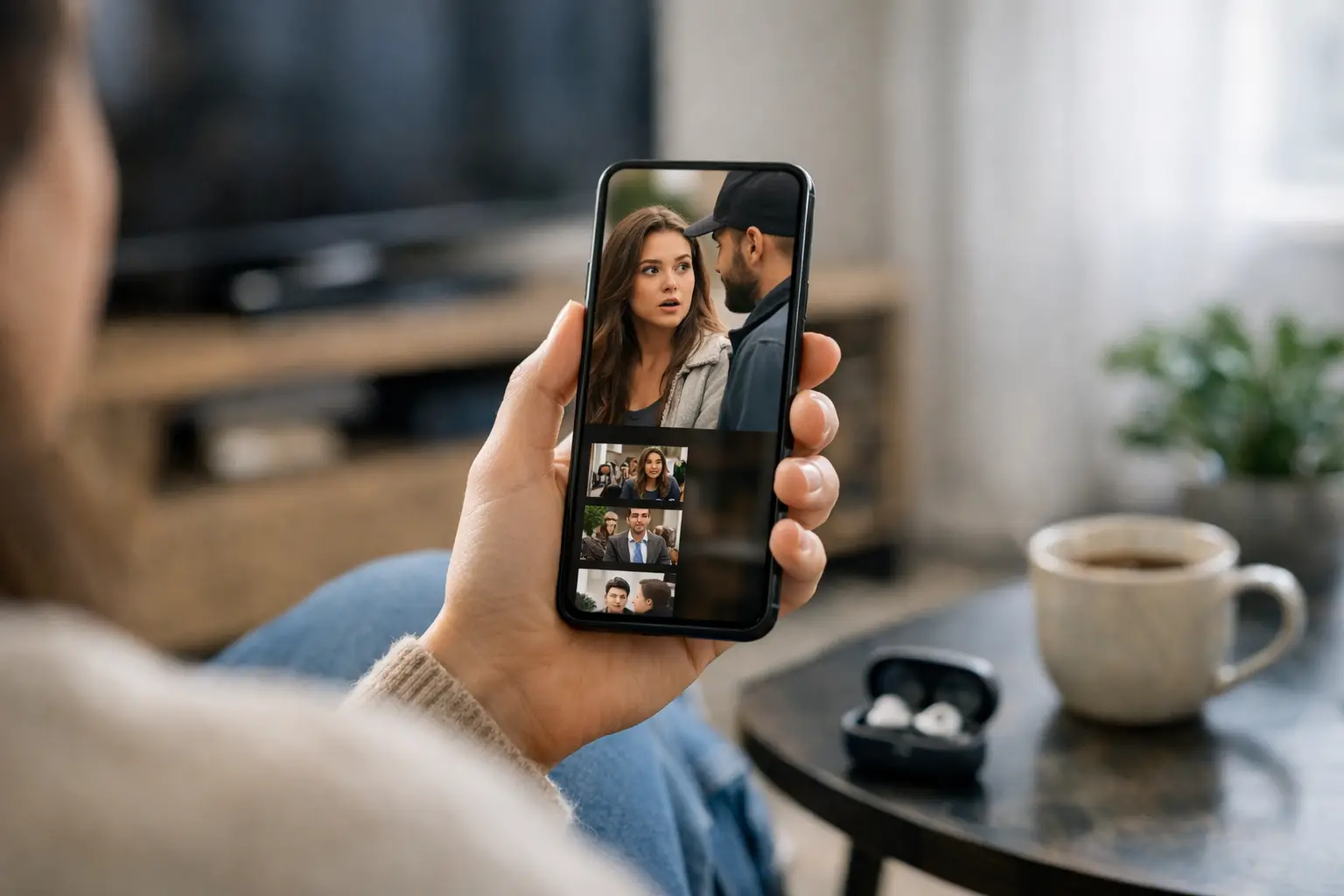
You can tell in about three seconds when a show was built for your phone and when it was just chopped down to fit the screen. That difference is the whole game when you’re figuring out how to watch vertical series without making the experience feel cheap, awkward, or disposable. The best vertical shows feel native to the way you already watch - fast, focused, and made for the screen in your hand.
How to watch vertical series without ruining the format
Start with the obvious move that a lot of people still ignore: watch on your phone, upright, full screen. Vertical series are designed for portrait viewing. If you rotate your device, mirror it to a TV, or force it into a landscape setup, you’re fighting the format instead of using it.
That matters because vertical framing changes how scenes are built. Close-ups hit harder. Dialogue feels more direct. Motion is tighter and more intimate. A good vertical series uses the shape of the screen as part of the storytelling, not as a gimmick. So if you want the experience to land, watch it the way it was intended.
Short-form also changes your mindset. This is not sit down, silence your phone, and clear your evening entertainment. It’s quicker than that. Better than doomscrolling. Easier than committing to a two-hour movie. Vertical series work best when you stop expecting old-school TV pacing and let them do what they’re built to do - get to the point fast.
Pick a platform that actually understands vertical video
Not every app with short videos is built for serialized entertainment. That’s the first filter. There’s a real difference between random clips in a feed and an actual vertical series with episodes, pacing, recurring characters, and story arcs.
If you’re trying to learn how to watch vertical series well, choose a platform that treats the format like a format, not an afterthought. You want on-demand playback, clear episode structure, and shows made specifically for vertical viewing. If the experience feels like you’re hunting through a noisy social feed just to follow a story, that’s friction you don’t need.
Free access matters too. A lot of viewers are curious about vertical dramas, sci-fi, horror, and comedy, but not curious enough to hand over a credit card just to test the format. That’s why ad-supported platforms make sense here. They lower the commitment and let the content do the selling.
VertyTV is one example of that model done right - vertical-first, built around exclusive originals, and free to watch without a subscription. That setup fits the format because vertical series are often impulse entertainment. You want instant access, not a checkout flow.
Your phone setup matters more than you think
If the show is built for mobile, your mobile habits affect the experience. Brightness too low? Dark scenes get muddy. Notifications popping every 20 seconds? You’ll miss beats. Auto-rotate on? You’ll accidentally break immersion the second you shift position.
A few small fixes make a big difference. Watch in full-screen portrait mode. Use headphones if the series leans on sound design or rapid dialogue. Turn on captions when you’re in public, but don’t assume every title plays the same with text on. Some fast-cut shows work fine with subtitles. Others lose timing and visual rhythm when your eyes are dragged down the screen.
There’s also the question of where you’re watching. On a commute, in line, between classes, during a break - that’s prime vertical-series territory. But if you’re in a high-glare environment or on weak data, playback quality can dip fast. If your stream keeps buffering, it’s not always the app. Sometimes it’s just the wrong moment.
Don’t judge vertical series by old TV rules
This is where a lot of people get stuck. They try one vertical show, notice the episodes are short, and assume that means the storytelling is shallow. Not necessarily. It’s just compressed.
Vertical series are built around momentum. Scenes start later. Exposition gets cut down. Character types are often established fast and refined as the story moves. That can feel abrupt if you’re expecting prestige-TV pacing. But for mobile-native viewing, speed is part of the appeal.
The trade-off is real. Some vertical series prioritize hook over subtlety. Some lean hard into cliffhangers because they’re built for bingeable short sessions. That doesn’t make the format worse. It means you need to judge it on what it’s trying to do. The question isn’t whether it behaves like a traditional drama. The question is whether it delivers entertainment efficiently and keeps you watching.
When it works, it really works. The screen feels personal. The pacing stays hot. The barrier to entry is basically gone.
How to watch vertical series by genre
Genre changes the experience more than people think. A horror vertical series can feel intense because the portrait frame traps your attention and narrows your focus. A sci-fi title can feel surprisingly immersive if the visuals are designed around that vertical space instead of fighting it. Comedy tends to benefit from speed, especially when episodes are structured around a quick premise and payoff.
This is why sampling matters. Don’t assume one genre will define the whole category. If your first vertical series didn’t land, it might not be the format. It might just be the wrong show. Some viewers want pulpy action. Others want weird high-concept experiments. Others just want something fast and entertaining that doesn’t ask for a huge time investment.
That flexibility is part of the appeal. You can watch a few episodes, bounce if it’s not for you, and try something else without feeling like you wasted a night.
Bingeing versus dipping in
There are two good ways to watch vertical series, and both are valid. The first is the mini-binge. You stack a bunch of short episodes and treat them like one longer sitting. That works well for thriller plots, serialized mysteries, and anything with momentum-heavy pacing.
The second is the drop-in model. One episode while you wait for coffee. Two more later. Another before bed. That’s not a compromised viewing habit. For a lot of vertical content, it’s the intended use case.
It depends on the show. If each episode ends on a hard hook, bingeing may feel more satisfying. If the series is lighter, more episodic, or more comedic, dipping in can be the better rhythm. The smart move is to let the pacing of the series tell you how it wants to be watched.
What makes a vertical series worth watching
The best vertical series do three things well. First, they justify the format. The framing feels deliberate, not recycled. Second, they respect your time. They get moving quickly and avoid padding. Third, they give you a reason to hit next episode immediately.
That sounds simple, but it’s not. A lot of short-form content is fast without being good. Fast alone isn’t enough. The series still needs a hook, visual control, and some kind of payoff. If every episode is just noise and teaser energy, viewers drop.
You’ll also notice that strong vertical series tend to understand mobile behavior. They know your attention is earned second by second. They know you may be watching in imperfect conditions. And they know there are about a thousand other things on your phone trying to pull you away.
That’s why the best ones feel sharp. No wasted setup. No bloated runtime. No fake sophistication. Just story, pressure, and momentum.
Common mistakes when watching vertical series
One mistake is treating them like background content. Just because episodes are short doesn’t mean they’re disposable. If you half-watch while hopping across five apps, even a solid series will feel thin.
Another is expecting every show to be social-video chaotic. Good vertical series aren’t just algorithm bait with actors. They’re still shows. They just happen to be shaped for the phone.
The last mistake is overthinking legitimacy. People used to dismiss streaming. Then web series. Then short-form video. Audiences always move first. Formats catch up later. If vertical storytelling fits how you actually live and watch, that’s reason enough.
The real point of watching vertical series
The appeal is simple. Less friction. More immediacy. Stories that meet you where you already are.
That doesn’t mean every vertical series is great. Some will feel thin. Some will feel gimmicky. Some will surprise you and be way better than they have any right to be. But once you stop asking the format to imitate traditional TV, it gets easier to see what it does well.
Watch on your phone. Keep it upright. Pick platforms built for the format. Give the right genre a chance. Then let short-form do its thing. Good entertainment doesn’t always need more time. Sometimes it just needs better aim.