Free Ad-Supported Streaming Television Now
· By VertyTV Editorial
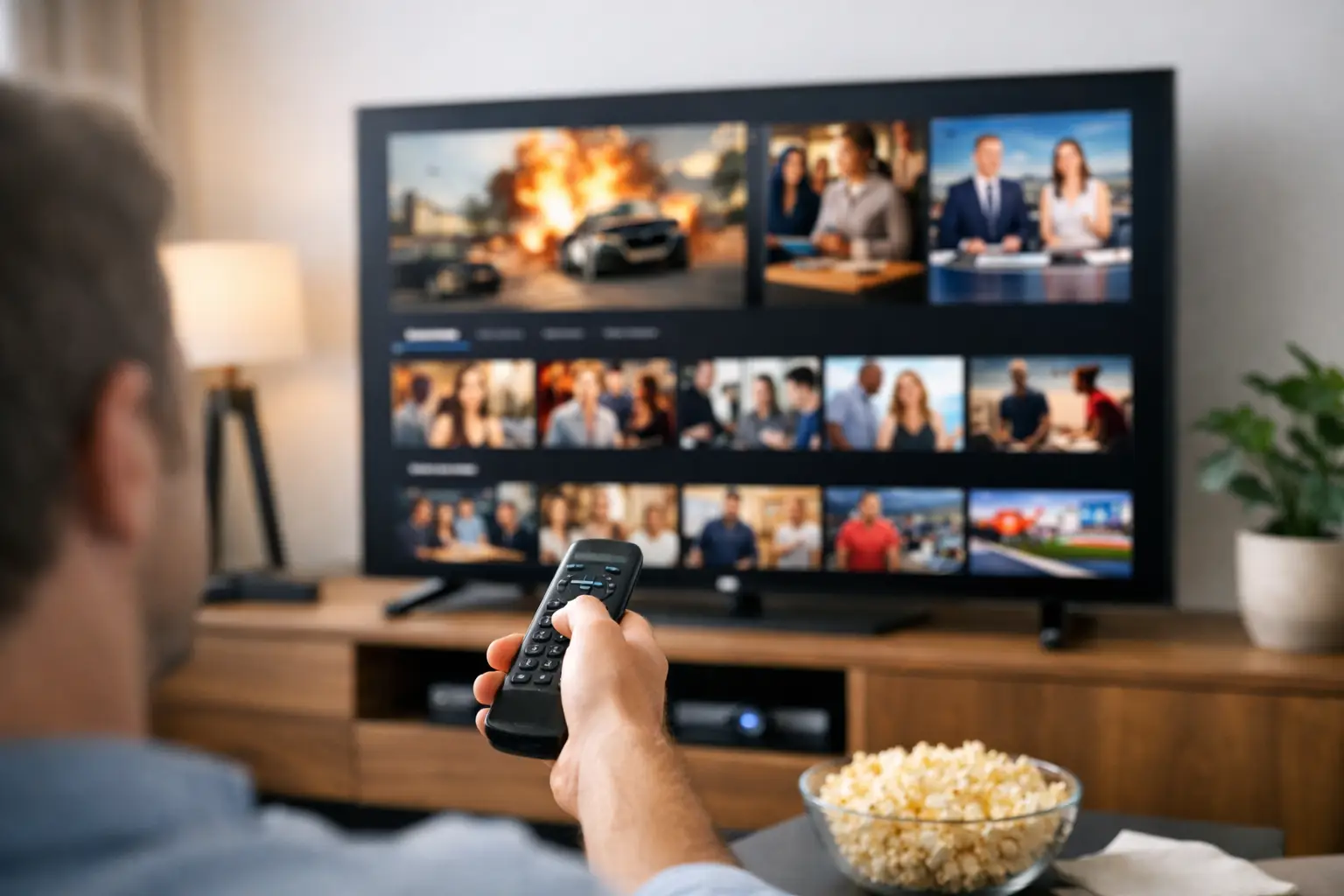
The old streaming pitch was simple until it got expensive. One app became five. Then eight. Then a monthly bill that looked a lot like cable with better branding. That is exactly why free ad-supported streaming television keeps gaining ground. It cuts the friction, drops the paywall, and gives viewers what they actually want in the moment - something good to watch right now.
For mobile-first audiences, that shift feels even bigger. People are not always sitting down for a two-hour movie or committing to a prestige series with six seasons and a spinoff. A lot of viewing now happens in bursts - on the couch, in line, between classes, during lunch, before bed. Fast entertainment wins. Free wins faster.
What free ad-supported streaming television really means
At its core, free ad-supported streaming television is exactly what it sounds like. Viewers watch content without paying a subscription fee, and the platform makes money by running ads. No monthly charge. No credit card gate. No debate over whether a show is worth another $9.99 a month.
That sounds straightforward because it is. But the category covers a few different experiences. Some platforms mimic traditional TV with programmed channels that run around the clock. Others lean on on-demand libraries, where viewers choose what they want and hit play. Many now blend both models because audiences want options.
The key point is not the format. It is the trade. Viewers give a little attention to advertising and get access in return. For a lot of people, that is a very fair deal.
Why free ad-supported streaming television is working now
This is not just a budget story, although cost matters. Subscription fatigue is real. Consumers are more selective, quicker to cancel, and less interested in stacking endless monthly charges. Free removes the commitment. That alone is powerful.
But there is another reason this model fits the moment. Viewing habits changed. Social video trained audiences to expect speed, variety, and instant access. People are used to opening an app and getting entertainment immediately. They do not want signup friction, billing prompts, or a complicated decision tree before they see something interesting.
That is where ad-supported streaming gets sharp. It feels lighter. Lower stakes. Easier to sample. Easier to return to. That matters when attention is fragmented and loyalty is earned one session at a time.
For younger viewers, especially Gen Z and younger millennials, free often feels more natural than paid. They grew up in ad-supported environments. They understand the exchange. If the content is good and the interruptions are reasonable, the model does not feel like a downgrade. It feels normal.
The trade-off is real, but not fatal
Ads are not nothing. They interrupt the experience. If ad loads are too heavy, too repetitive, or badly targeted, viewers bounce. Nobody wants the same spot hammered into every break. Nobody wants a five-minute content clip wrapped in a clunky ad experience.
That is the line platforms have to manage. Free is attractive, but the value breaks if the ad burden gets sloppy. The best services understand pacing. They keep the exchange clean. A few ads, relevant enough, and the viewer stays. Too many, and free starts feeling expensive in a different way.
Content quality is the second trade-off. Some free platforms rely on giant back catalogs and licensed leftovers. That can work if viewers want comfort viewing or background entertainment. But if everything feels stale, free stops feeling exciting.
That is why exclusives matter. Original programming gives a free platform identity. It creates a reason to open that app instead of another one. Free gets people in. Distinctive content gives them a reason to come back.
FAST used to mean channels. Now it means flexibility.
A lot of people hear free ad-supported streaming television and think of linear FAST channels. That is still part of the picture. Lean-back viewing remains useful. Sometimes people do not want to choose. They want to open an app and let the feed do the work.
But the category is widening. On-demand matters more than ever, especially on phones. Mobile viewers are not always browsing like they are standing in a video store. They want something quick, immediate, and easy to start. In that environment, the strongest platforms reduce decision fatigue.
That could mean curated rows. It could mean short runtimes. It could mean genre-forward programming that tells you exactly what you are getting. Horror. Sci-fi. Action. Weird comedy. Pick your lane. Hit play.
This is where the next wave gets interesting. Free does not have to look like old TV. It can feel faster, smarter, and more native to the way people actually consume video now.
Why mobile-first viewers are changing the category
The biggest mistake in streaming is assuming every platform should copy the living-room model. Not every viewer starts on a couch. Not every piece of content needs a widescreen treatment and a 47-minute runtime.
Phone-first viewers behave differently. They watch vertically. They watch in short sessions. They are more open to experimentation if the commitment is low. They are also quick to leave if the experience feels slow or bloated.
That makes free streaming especially powerful on mobile. There is no paywall to fight through. No heavy emotional investment required. You can try something in seconds. If it hits, you stay. If it does not, you swipe away. That behavior is not a threat to streaming. It is the current reality of streaming.
A platform like VertyTV fits that shift because it does not pretend the phone is a second-class screen. It treats vertical viewing as the main event. That is a smart move for audiences who already spend huge chunks of their video time inside mobile-native formats.
Content strategy matters more than price alone
Being free is not enough. Plenty of free products get ignored. In streaming, the hook still has to be the content.
The strongest free platforms know what they are. They do not try to be everything to everyone. They build around a clear viewing promise and make discovery easy. That might be nostalgia. It might be true crime. It might be hyper-specific genre entertainment. The tighter the proposition, the easier it is to build habit.
That is especially true for younger audiences who reward originality and speed. Exclusive short-form programming can punch above its weight if it is built for the format, not chopped down from something longer. AI-generated originals, experimental genre stories, and vertical-first series can feel fresh because they are not trying to imitate premium cable. They are doing something else.
That difference matters. Distinctive beats generic. Especially when the barrier to entry is zero.
What advertisers like about the model
Viewers get free access. Advertisers get attention. That is the obvious part. The more interesting part is context.
Ad-supported streaming gives brands a chance to appear inside entertainment environments where audiences are active by choice. They did not click by accident. They did not get trapped in a random autoplay spiral. They opened the app because they wanted something to watch.
For advertisers, that can be valuable, especially when the audience is younger, mobile-native, and hard to reach through older channels. Better still, streaming environments can produce cleaner signals around genre, session length, and viewing behavior than traditional broadcast ever could.
Of course, it depends on execution. If the platform cannot hold attention or if the content feels disposable, the ad inventory loses value. But when the experience is tight and the audience understands the free-for-ads exchange, the model works for both sides.
Where free ad-supported streaming television goes next
Expect the category to keep splitting into two lanes. One lane will stay broad and utility-driven, packed with channels and familiar catalog fare. The other lane will get more specialized, more branded, and more format-aware.
That second lane is where things get fun. More platforms will build around specific viewer behaviors instead of legacy TV assumptions. More short-form originals. More mobile-native design. More programming that understands that not every viewing session needs to become an event.
The winners will not just be the cheapest. Free is table stakes. The winners will be the services that feel immediate, clear, and worth opening again tomorrow.
That is the real appeal of free streaming right now. Less friction. Less commitment. More room to try something new. If a platform can deliver that without wasting your time, it earns a place in the rotation.